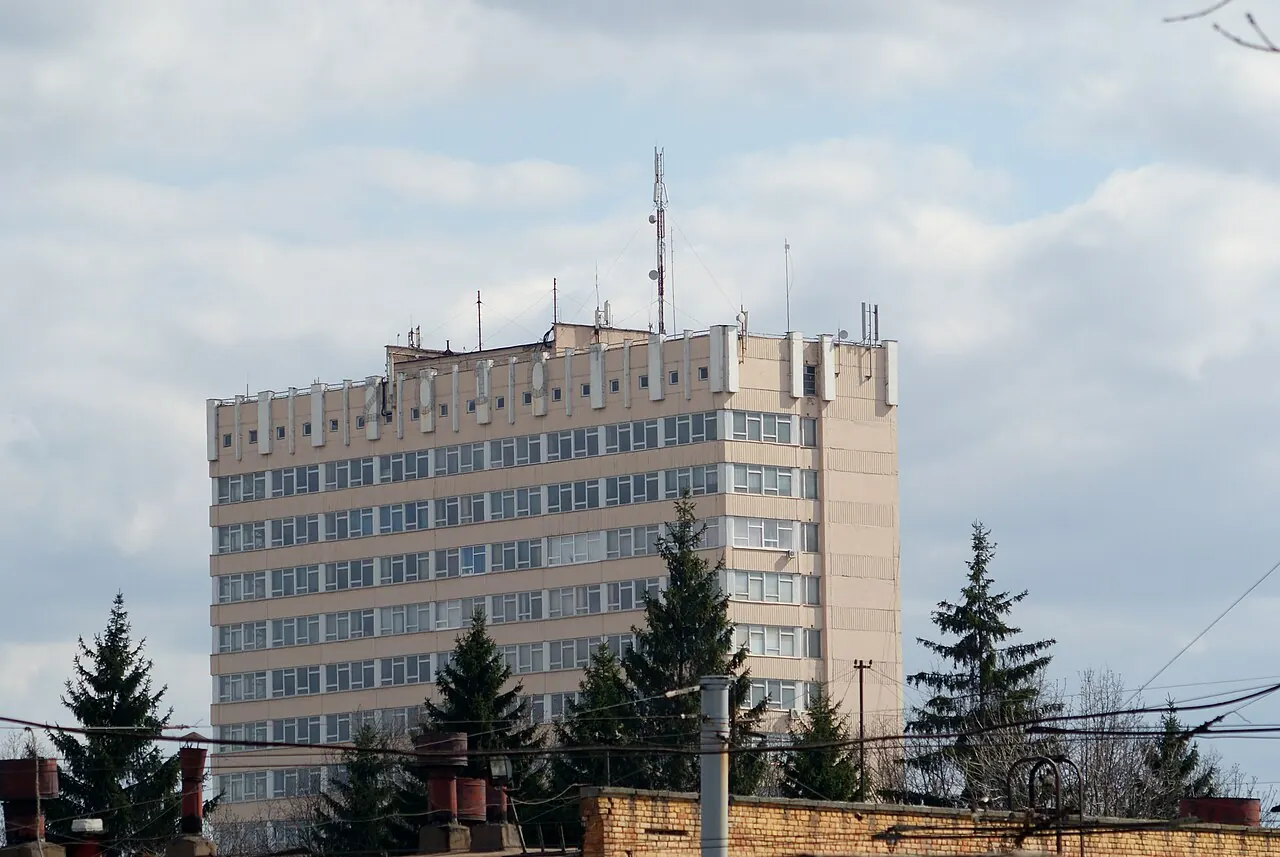
University
Sumy State University
The city's largest university: a medical institute, schools of business, law and banking, over 10,000 students and international students from almost 50 countries.
Text size
Colour and contrast
Images
More
Read aloud
Home / Culture
Culture
A student city with organ music, a national theatre and museums that hold Shevchenko and Aivazovsky. Plus football passions, field hockey and symbols of its own.
The stage
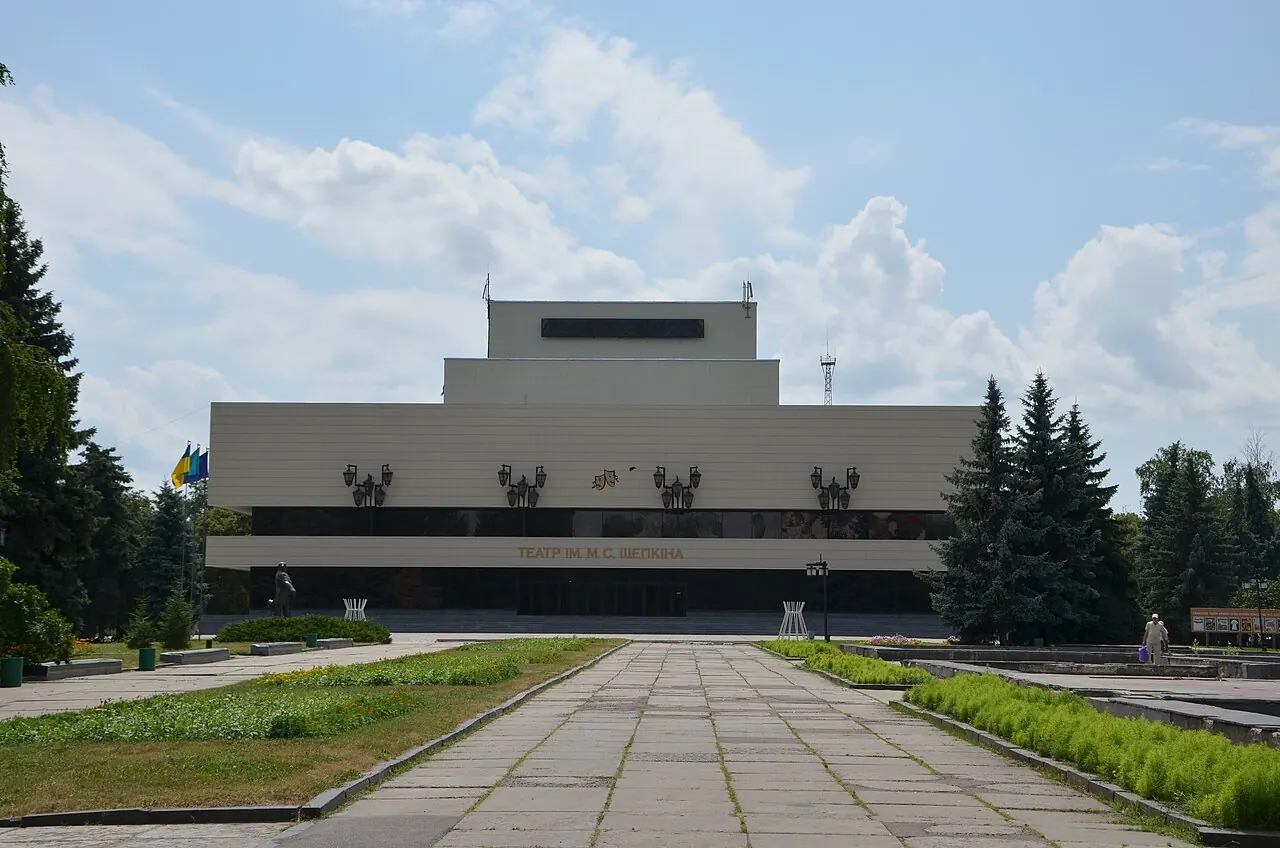
The city's main stage is the Shchepkin National Academic Theatre of Drama and Musical Comedy. The company was born in Lubny in 1933, moved to Sumy in 1939 and spent forty years in the Korepanov building on Pokrovska Street. It got its own large building on Teatralna Square in 1980. It became an academic theatre in 2012 and a national one on 8 September 2020.
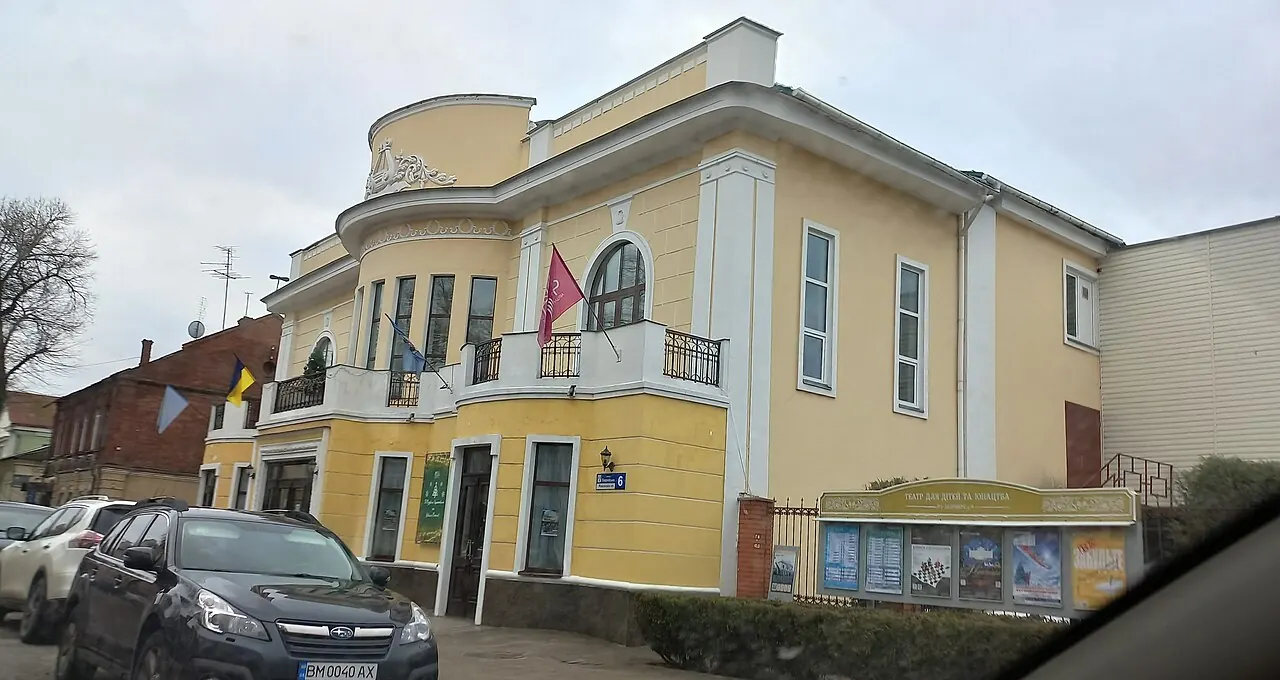
The second is the children's and youth theatre. It began on 24 September 1974 as the regional puppet theatre, was called Arlekin from 1981 and celebrated its half-century in 2024. The 1912 Korepanov building it uses is a landmark in its own right.
During the war the theatres have not stopped: performances move to shelters and seasons are shortened, but audiences keep coming.
Theatres
Music
Since 1939 the Sumy Regional Philharmonic has been in the former Nobility Assembly of 1891 at 63 Petropavlivska Street. The 370-seat hall was renovated in 2007–2008, when the organ moved in.
The organ is the city's pride. A Rieger-Kloss, opus 3568, built in 1986 in Krnov in the Czech Republic: three manuals and pedal, 48 stops and a 32-foot pedal stop that even its Kharkiv twin lacks. It first stood in the Trinity Cathedral, which served as an organ hall in 1987–2001. Sumy is regarded as one of Ukraine's centres of organ music.
On 13 April 2025 the missile strike blew out the philharmonic's windows and killed its organist Olena Kohut.
Philharmonic
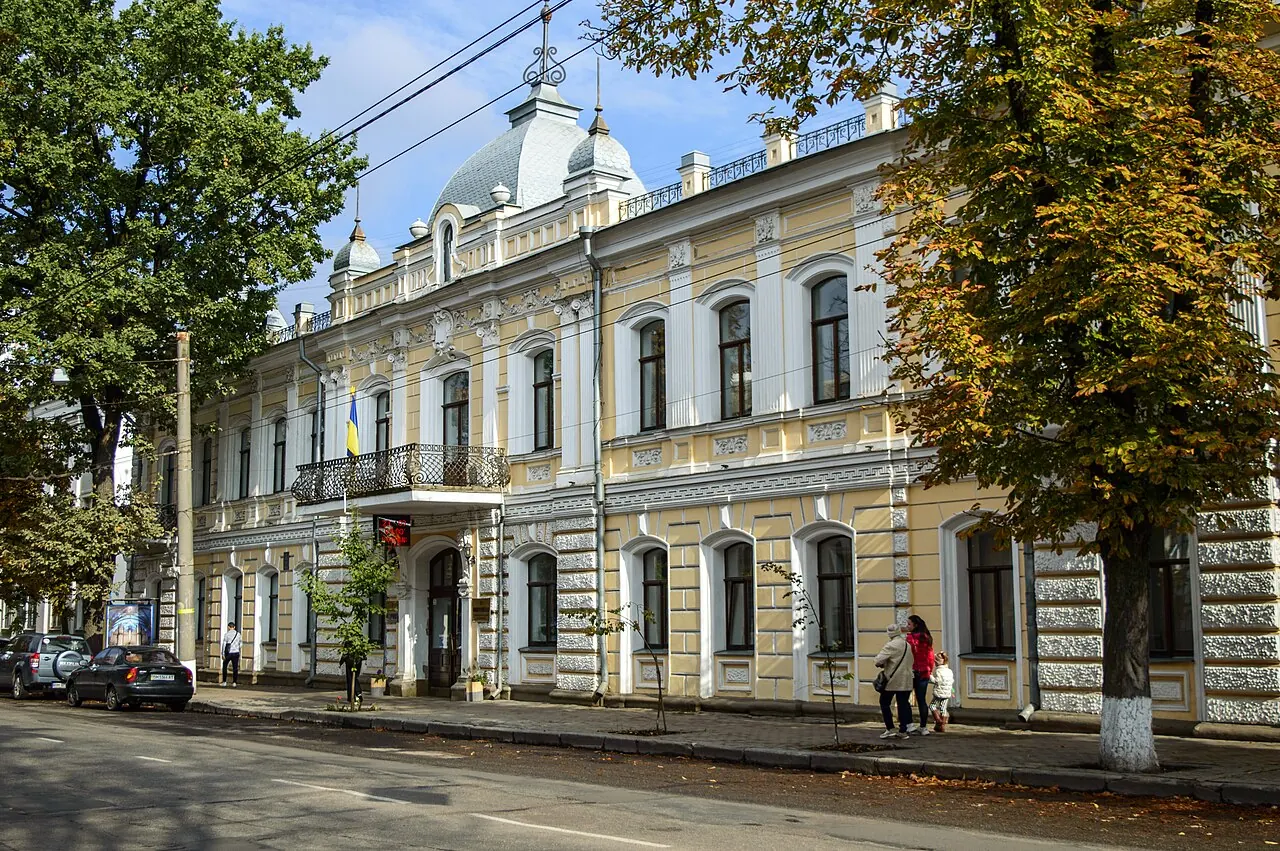

Museums
During the war parts of the collections have been evacuated and museums keep limited hours.
Museums

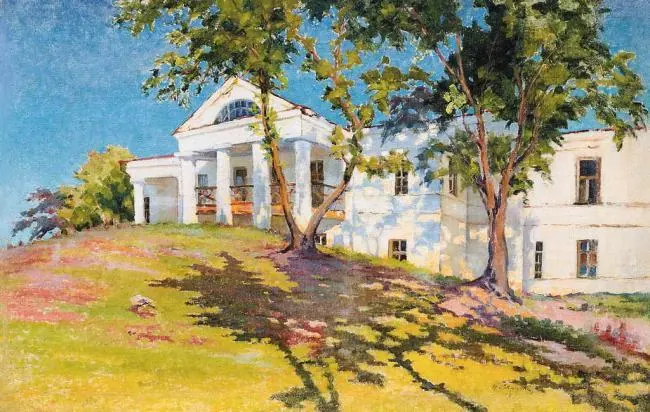


Events
Since 2013 Sumy has hosted Chekhov-Fest, a national theatre festival named after the writer's Sumy summers. Kharytonenko-Fest turns the streets into a show of living statues and marionettes. Before the war the Mohrytsia chalk hills hosted the land-art festival "Borderland Space".
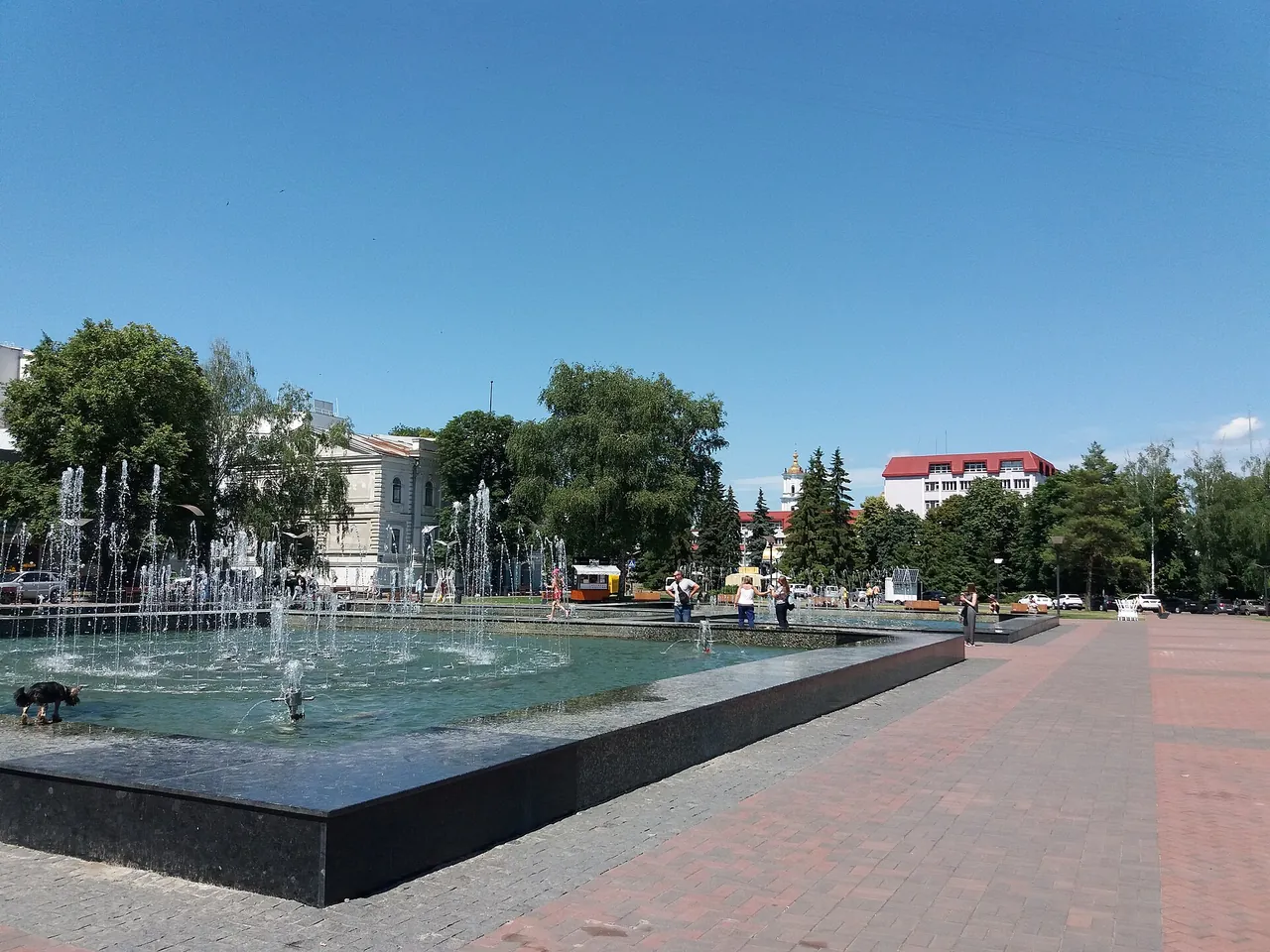
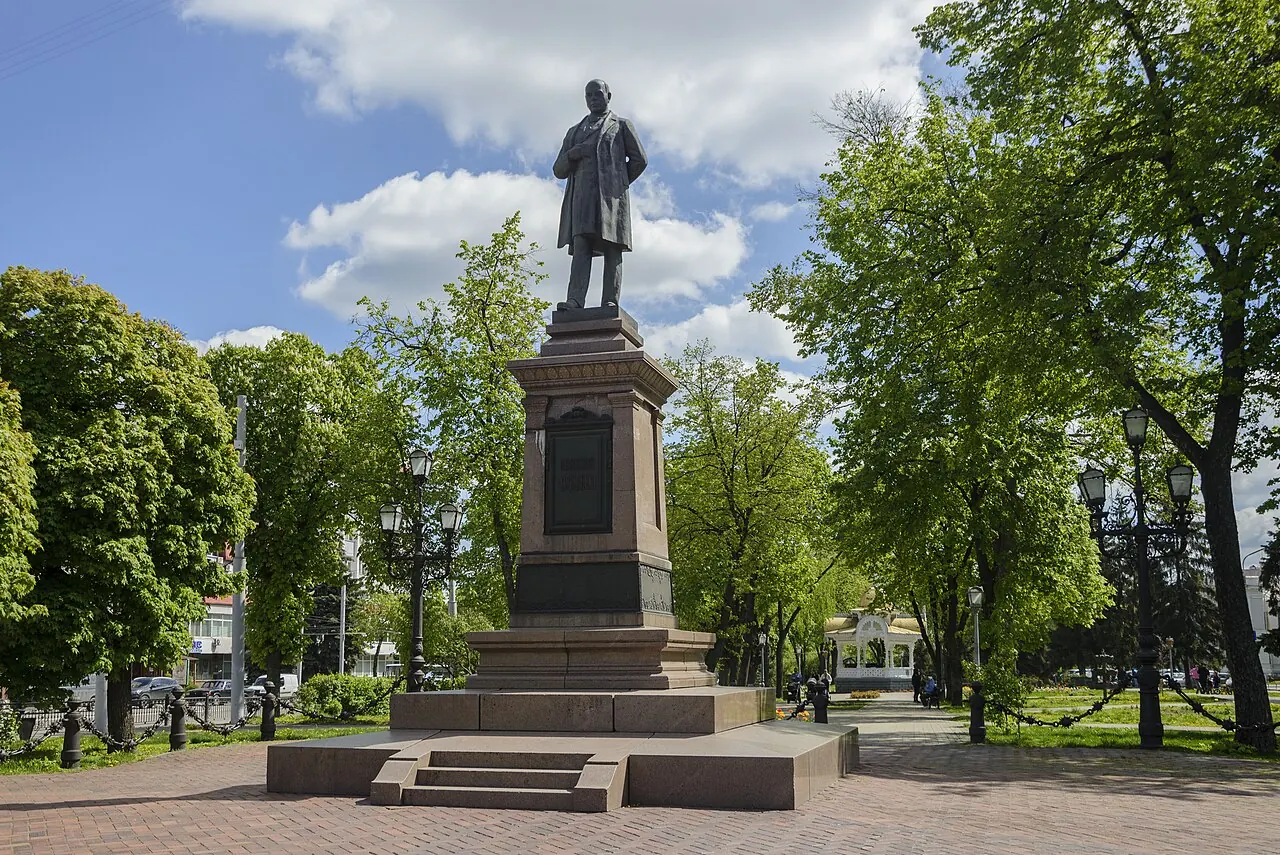
Festival venues
Education
Sumy is a city of three universities, a couple of dozen colleges and several thousand international students. Its educational history goes back to the Kharytonenko era: the Alexander boys' gymnasium and the secondary school opened in 1873, the cadet school in 1900 and the commercial school in 1913. Most of those buildings still stand and are still used for teaching.
Sumy State University grew out of a consultation centre at the Frunze plant, where the first 30 correspondence students began in September 1948. It became a branch of Kharkiv Polytechnic (1966), an institute of physics and technology (1990) and a university (13 August 1993). Medicine has been taught since 1992; in 2016 the Ukrainian Academy of Banking joined it, and in 2018 the institute of mineral fertilisers. In the QS World University Rankings 2026 SumDU is in the 1001–1200 band and fourth among Ukrainian universities.
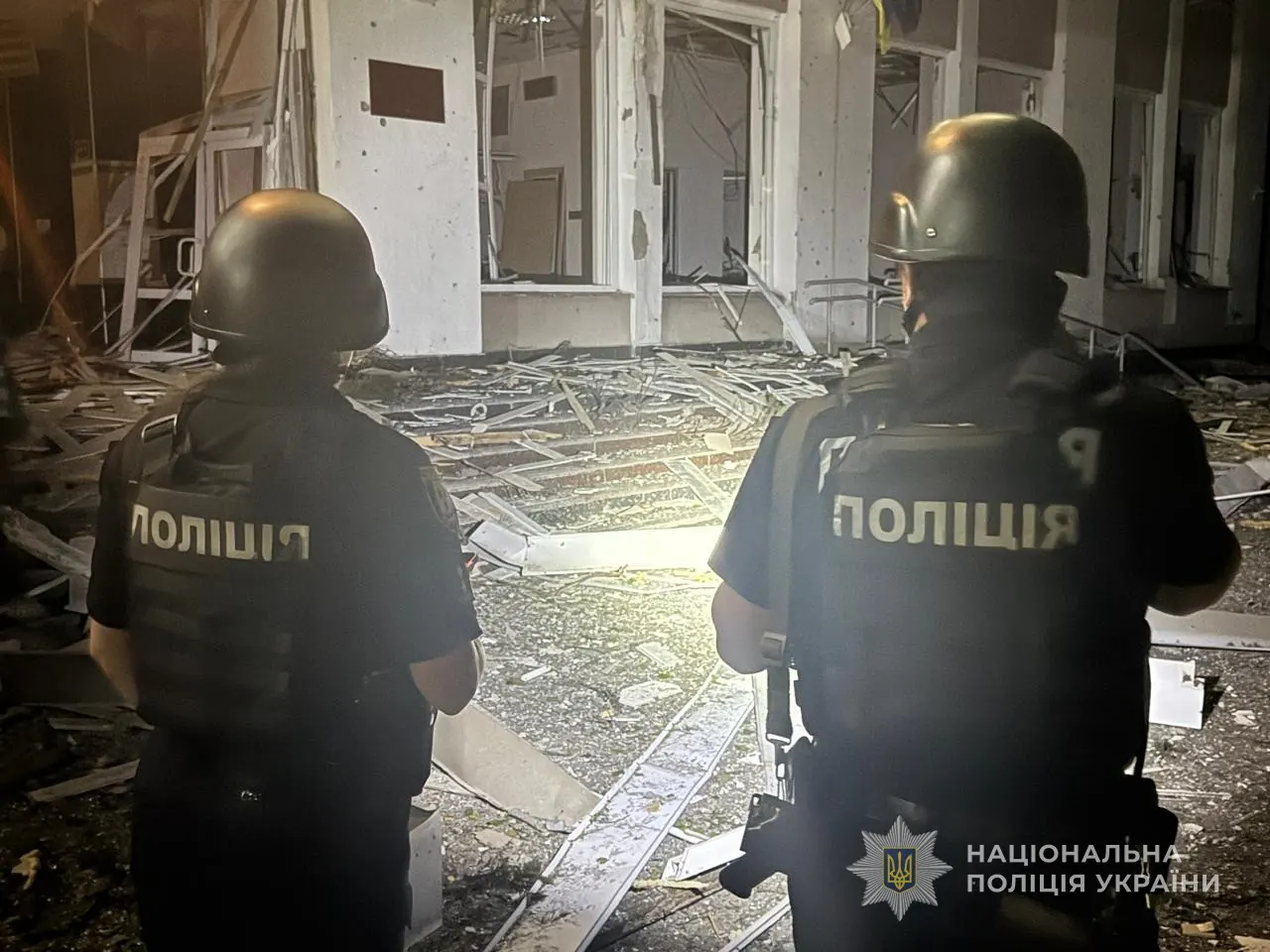
The war has hit the university nine times, four of them with missiles. On 13 April 2025 its Congress Centre burned, a wall collapsed in the former district court at 57 Petropavlivska Street, and the banking academy building lost the clock in its tower. On the night of 18 August 2025 building N burned out completely, with labs and about UAH 20 million of equipment. In 2025 alone the university lost some 60,000 books, and on 20 September 2026 a glide bomb blew out about 80% of the main building's windows. SumDU keeps working.
The Makarenko Pedagogical University traces back to teacher-training courses started in December 1924 in the old secondary school building; it became an institute in 1933 and a university in 1999. It has over 8,000 students and a 4.76-hectare botanical garden from 1934–1936 with more than a thousand plant species. The National Agrarian University began in April 1977 as a branch of the Kharkiv agricultural institute and has had national status since 2001; on 14 July 2025 drones hit its business school, injuring six people.
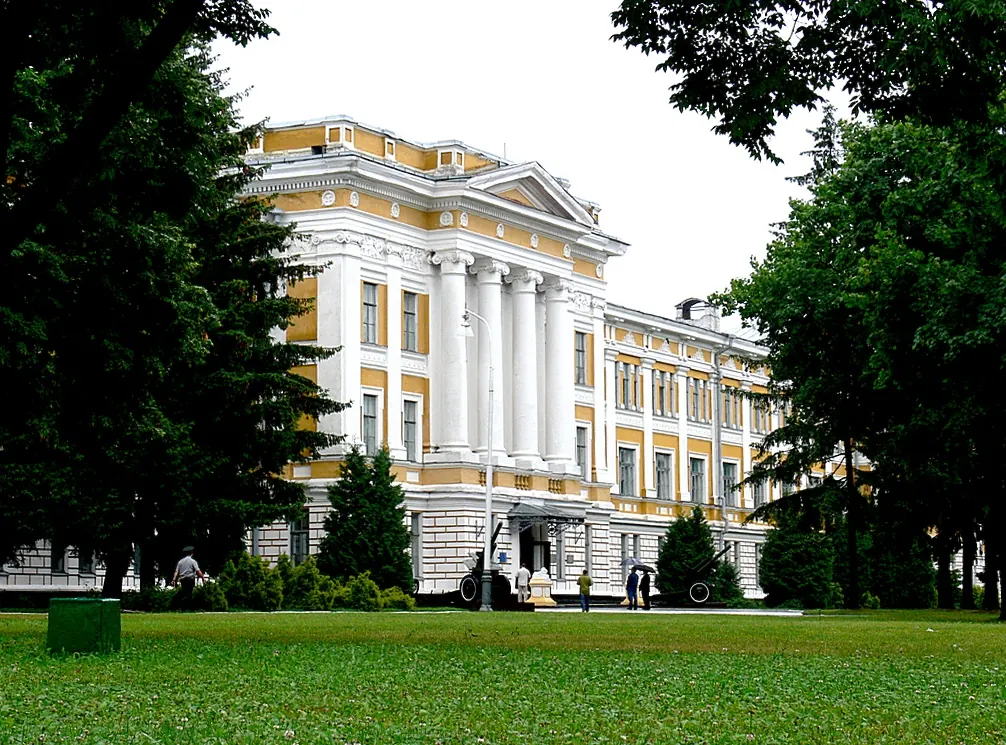
The cadet school, a gift to the city from the Kharytonenkos, opened on 15 August 1900. It later housed an infantry school, the artillery school (from 1937), the Sumy Higher Artillery Command School, the military institute of rocket forces and artillery, and from 2007 the Kharytonenko Cadet Corps lyceum. On 24 February 2022 the fiercest fighting in the city took place right here, and that autumn the lyceum was moved to Khmelnytskyi.
Colleges: the Bortnianskyi college of arts and culture (18 Korostelova St.), the medical college (4 Parkova St.; since 1930), the college of construction and architecture (108 Petropavlivska St.; it traces its roots to the 1913 commercial school), the food technology college in the 1910–1911 commercial school building (60 Yaroslava Mudroho St.), the college of economics and trade, the former 1965 co-operative technical school (37 Troitska St.), SumDU's engineering college, the agrarian university's college, founded in 1903 as a zemstvo agricultural school, and the Sumy branch of Kharkiv University of Internal Affairs (since 1995). On 11 September 2025 drones hit the vocational school of construction and design at 28 Okhtyrska St.
Universities and schools
The city's largest university: a medical institute, schools of business, law and banking, over 10,000 students and international students from almost 50 countries.

About 8,000 students, zoology and geology museums and a botanical garden on 20 Rokiv Peremohy Street.
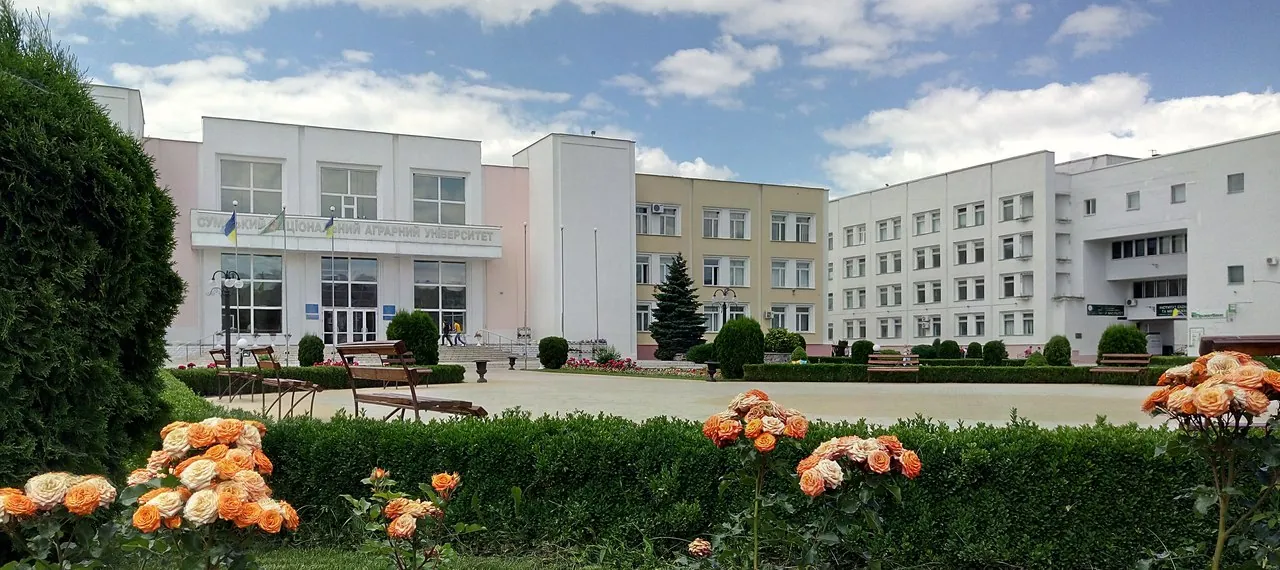
About 11,000 students and a large campus on the southern edge. In the first days of the invasion students sheltered in the basements; teaching resumed on 4 April 2022.
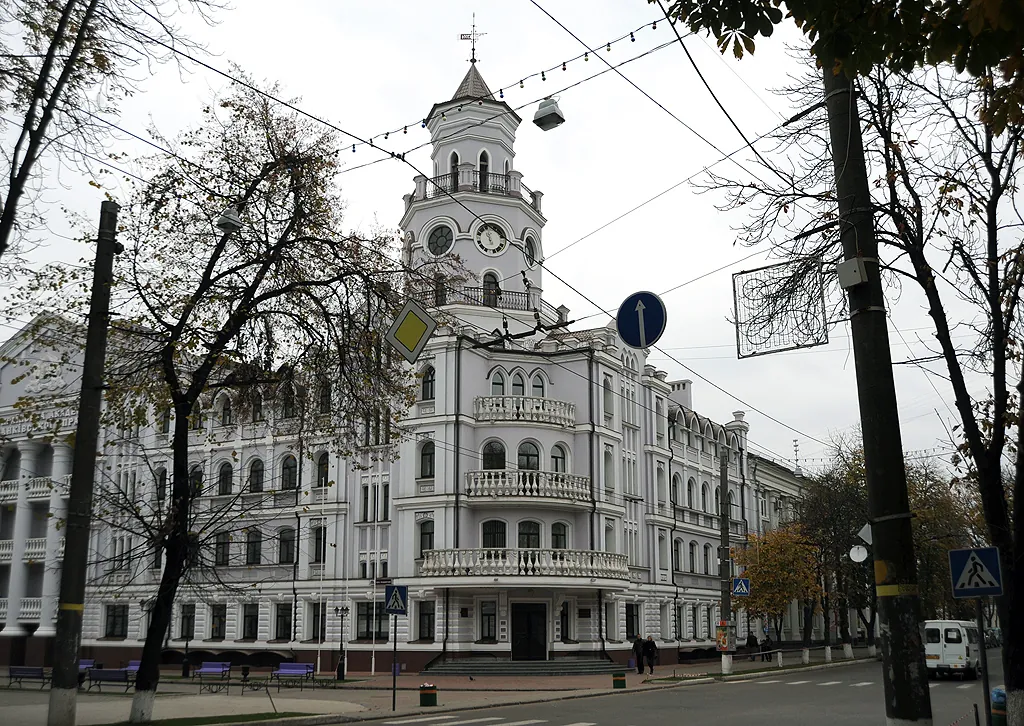
The academy's main building.
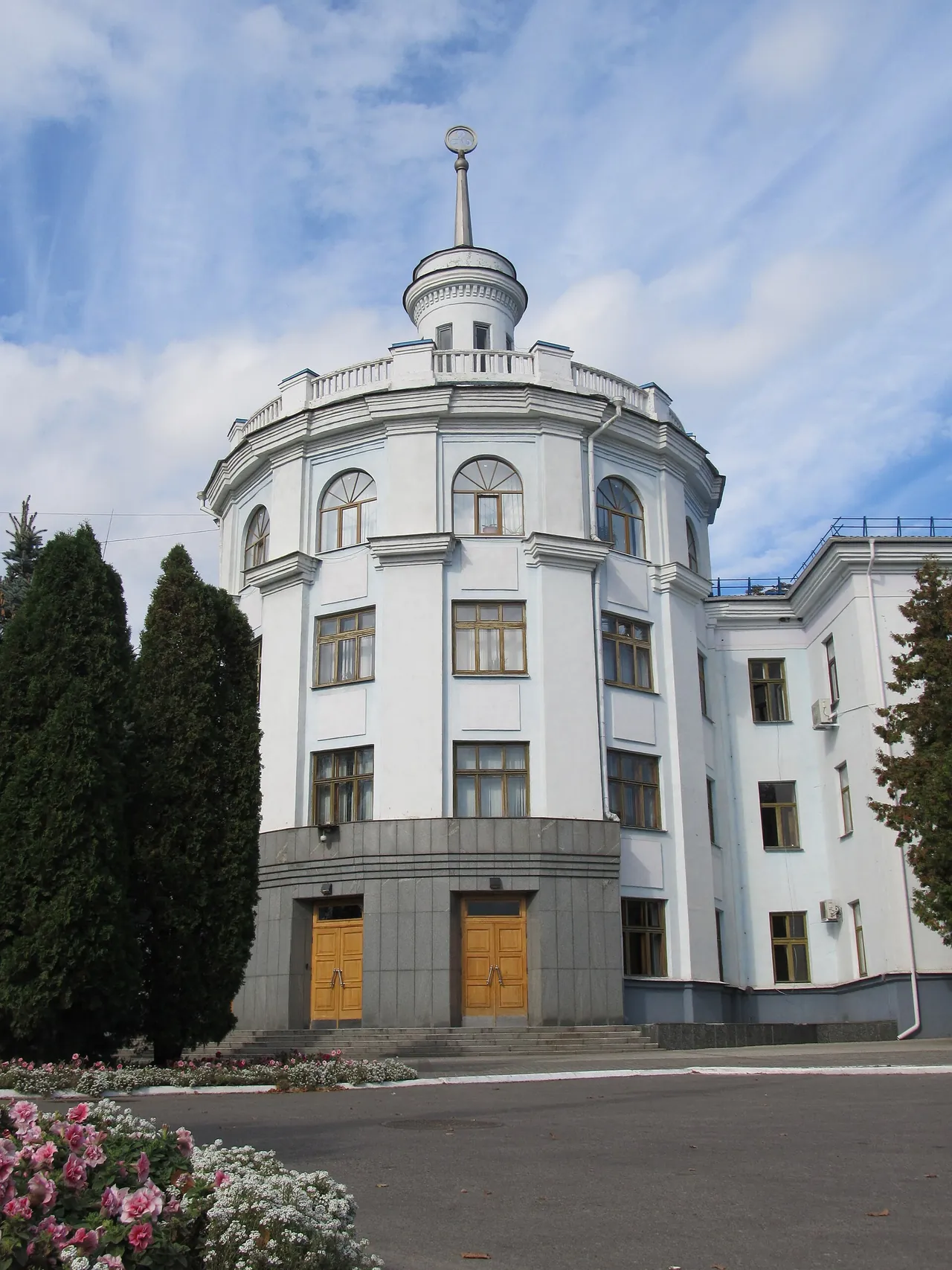
The National Bank's academy was founded in 1996 and became part of SumDU in 2016. Its buildings are the former girls' gymnasium, the 1914–1917 district court and a 2001 building with a clock tower.
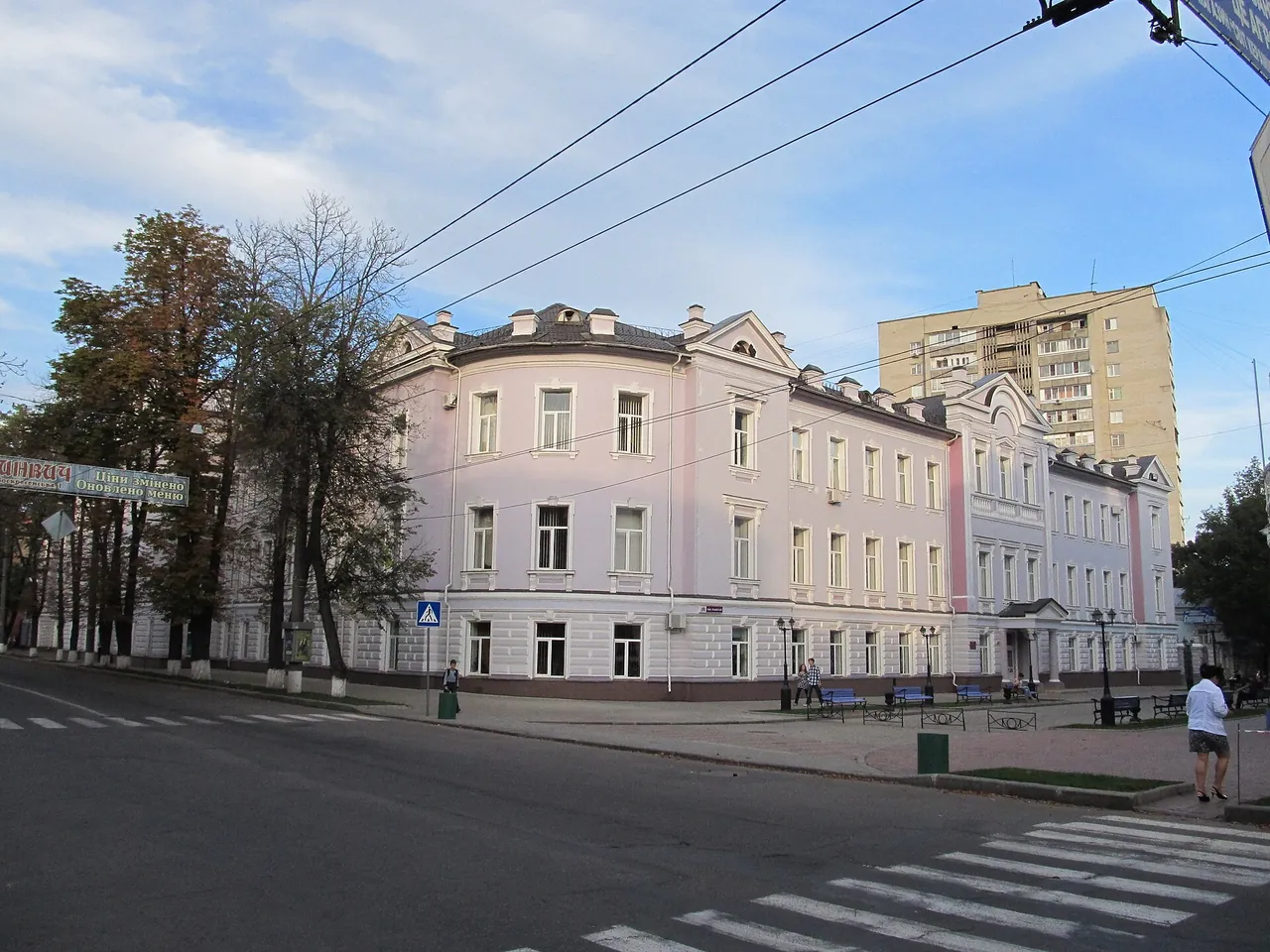
A listed building used by the banking academy. On 13 April 2025 the missile strike destroyed an entire wall.

The artillery school's main building, 2007.
The Kharytonenkos' gift to the city, later the Sumy Higher Artillery Command School. In 2022 the buildings were damaged in the first hours of the invasion and the lyceum moved to Khmelnytskyi.

The boys' gymnasium complex, with its 1873 teaching block, boarding house and wing, is a listed monument. Today it houses the Sumy Classical Gymnasium with over 800 pupils.

Painter Kostiantyn Moshchenko and sculptor Mykhailo Lysenko studied here, Nykanor Onatsky taught here, and the region's first Prosvita society was founded here. School No. 4 has been here since 1924, and the pedagogical university grew out of teacher courses in this building.
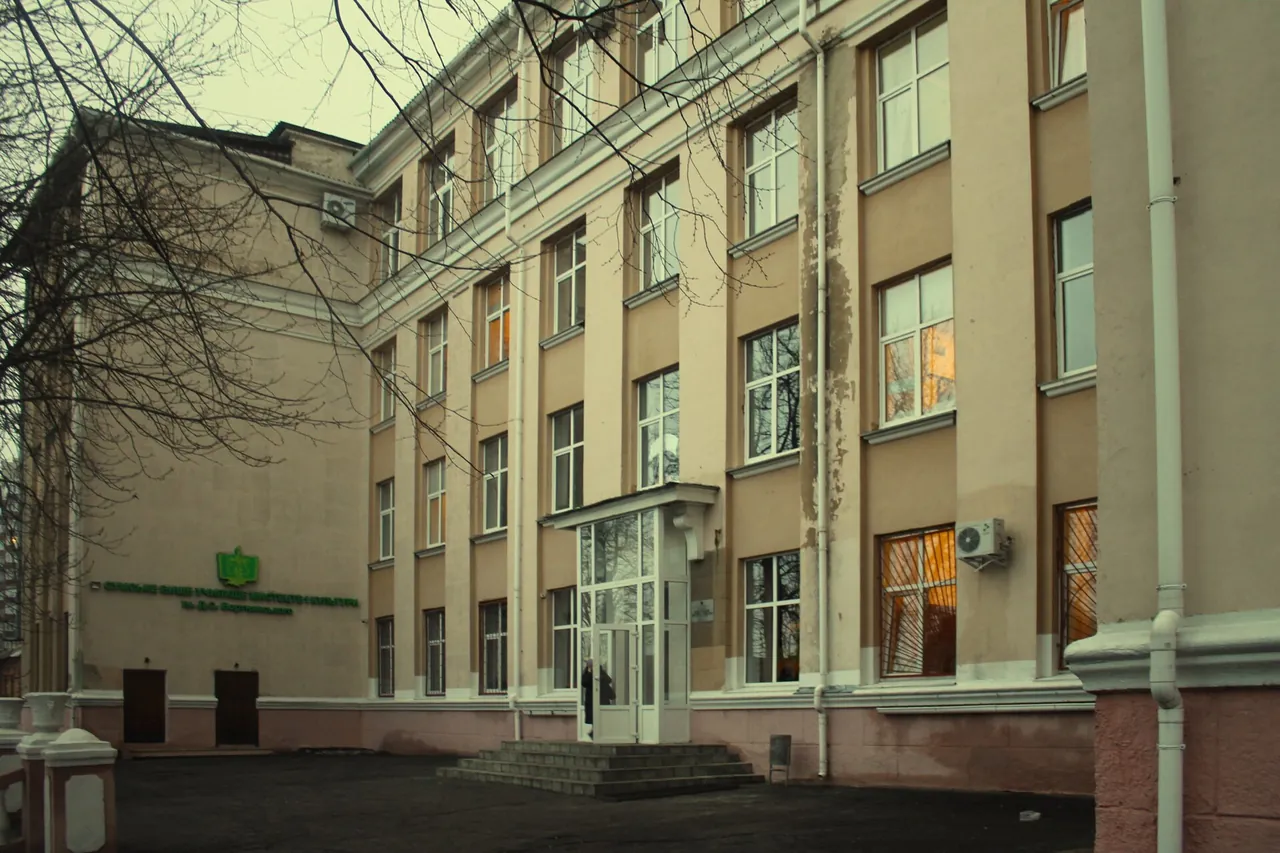
The former music school, home to the Molodist folk dance ensemble and an academic choir.

A red-brick listed building, now the food technology college.
Damaged schools

Universities
Sport
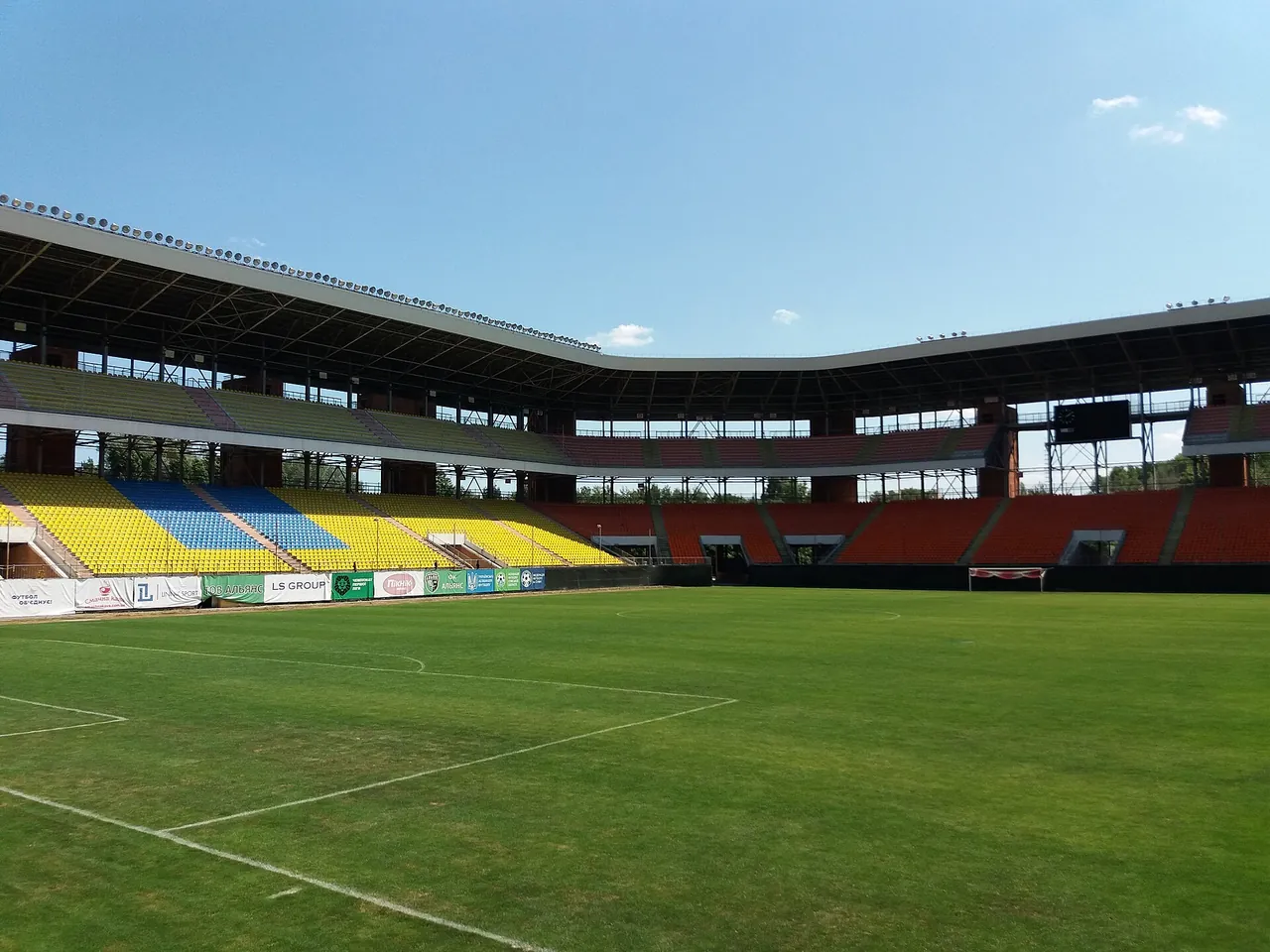
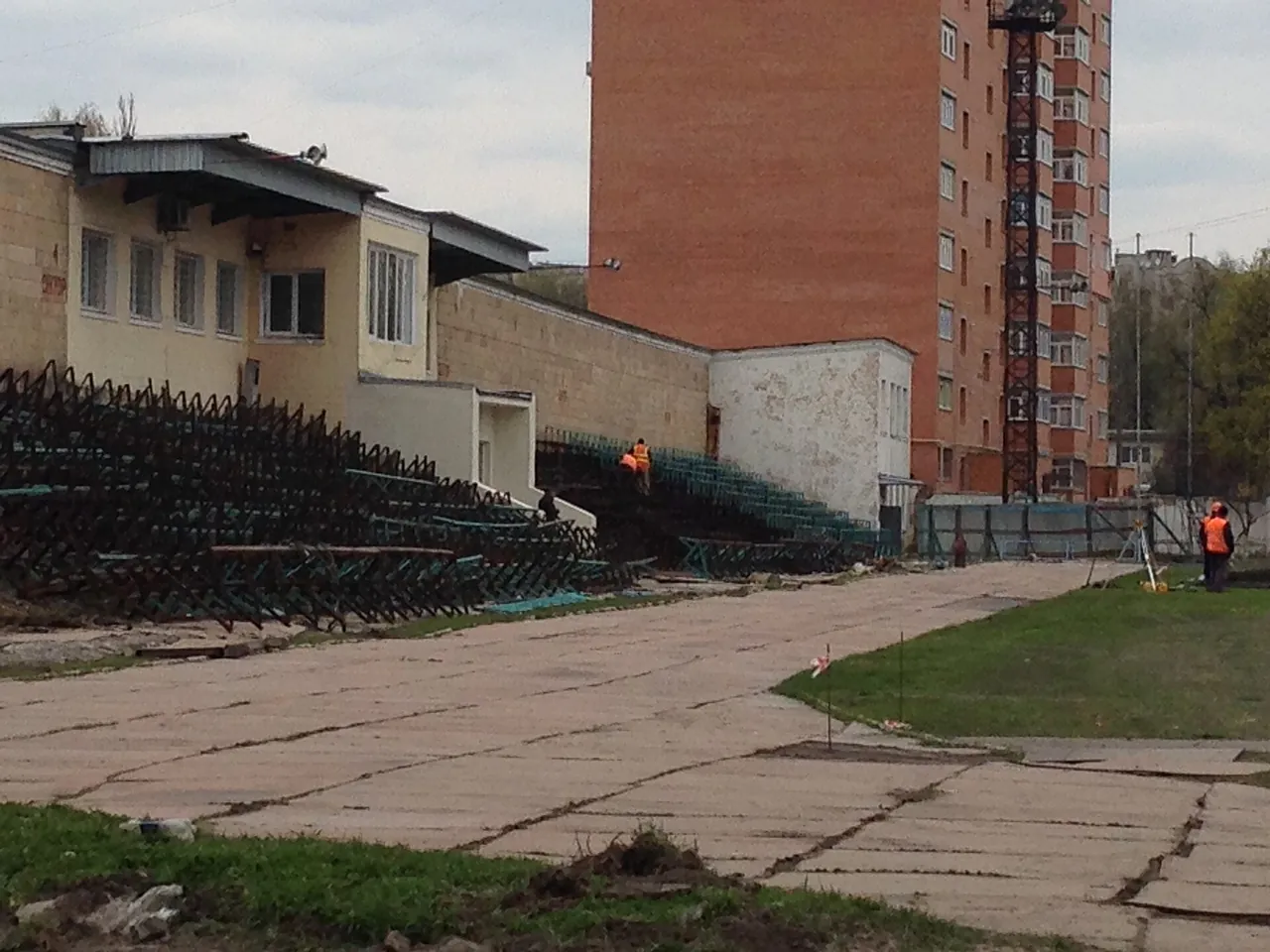
Football in Sumy has a long and bumpy history: the Soviet-era Spartak and Frunzenets, then Yavir, which became Spartak in 1999 and went bankrupt in 2006, and FC Sumy, which lost its professional status over match-fixing in 2019. The main arena is the Yuvileinyi stadium with 25,830 seats.
The biggest recent success belongs to the women's hockey club Sumchanka, which on 16 February 2025 sensationally won the EuroHockey Indoor Club Cup. And among the city's legends is two-time Olympic race-walking champion Volodymyr Holubnychy.
Stadiums
Economy
Sumy became an industrial city twice. First a sugar city: in the second half of the 19th century the Kharytonenkos, Sukhanovs and Tereshchenkos built refineries in and around it, earning it the nickname "sugar capital". Then, in the 20th century, a city of engineering and chemicals: the huge Frunze and Sumykhimprom plants employed tens of thousands and turned a district town into a regional centre of nearly 300,000.
It all began in November 1896, when the emperor approved the charter of the Belgian joint-stock company Sumy Engineering Workshops. The Belgians first leased Anton Rozenkvist's small works by Lake Chekha, running since the 1880s, and made equipment for sugar mills. After 1917 the plant was nationalised and named after Mikhail Frunze. In 1941 its equipment and staff were evacuated, the war wrecked its buildings, and rebuilding after the liberation in September 1943 took five years.
In Soviet times it grew into one of the largest engineering works in the USSR, making chemical, oil-and-gas and compressor equipment and gas-pumping units for trunk pipelines. As late as the mid-2000s it employed over 16,000 people and was the city's biggest taxpayer. For many years it was run by Volodymyr Lukianenko, who joined in 1961 as a foreman's assistant.
Then came the crisis. After a shareholder dispute and the English High Court's freezing of Konstantin Grigorishin's assets in December 2017, workers went unpaid for years: in 2021 the plant was Ukraine's biggest wage debtor, and about 4,000 people won court cases worth roughly UAH 200 million. In 2019 control returned to the Lukianenko family. The historic Belgian workshop buildings at 58 Horkoho Street, with a tower over the entrance, are a listed monument.
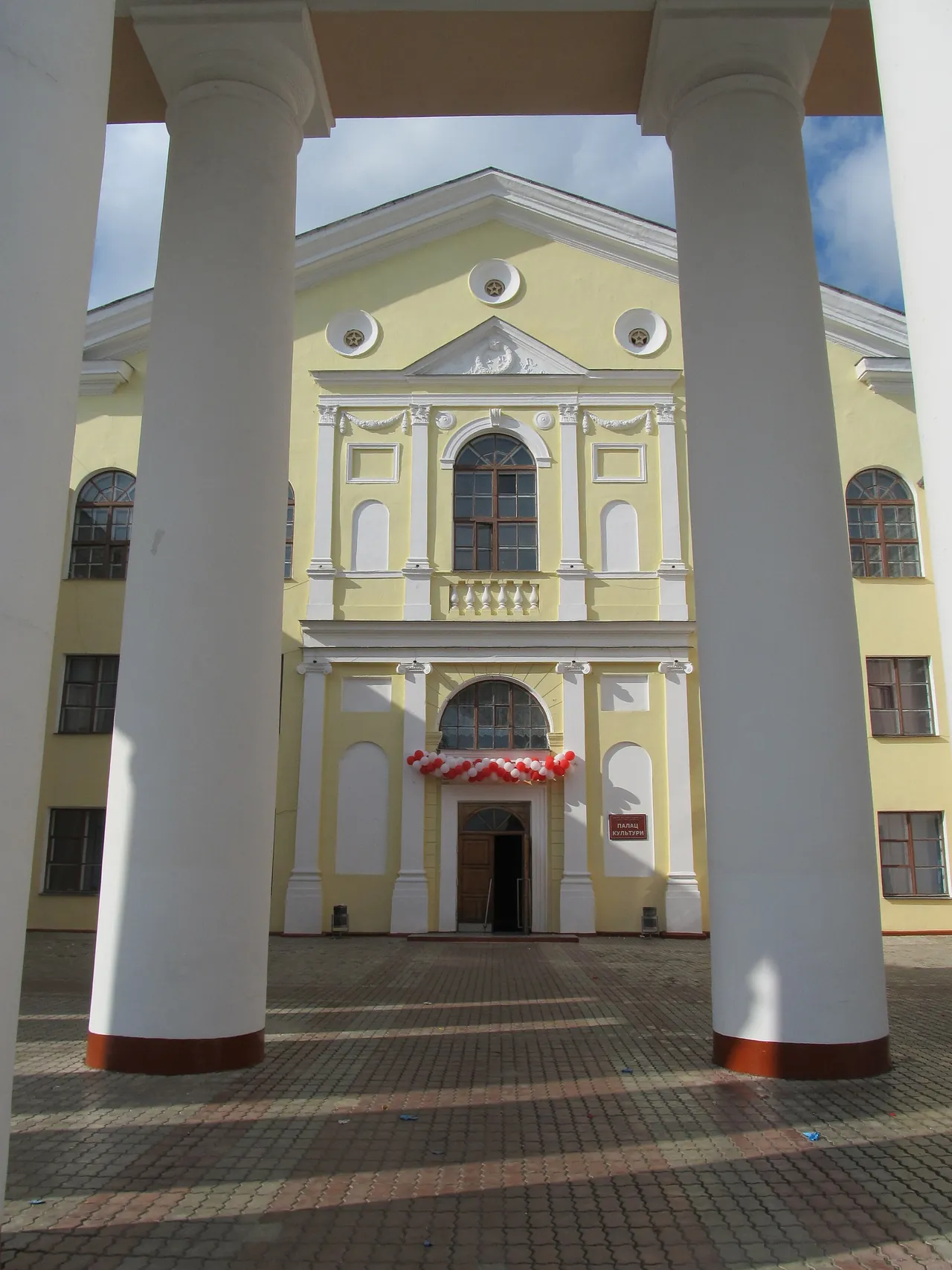
The chemical giant on the south-eastern edge has worked since the 1950s, making fertilisers, inorganic chemicals and titanium dioxide; the USSR's first workshop for this white pigment was launched here. A whole district, Khimmistechko, was built for its workers, with the Khimik Palace of Culture and a hotel of the same name. Today the plant is state-owned but insolvent, with debts of UAH 2.35 billion, and the state keeps failing to sell it: the auction on 13 October 2026, starting at UAH 1 billion, fell through again with not a single bidder.
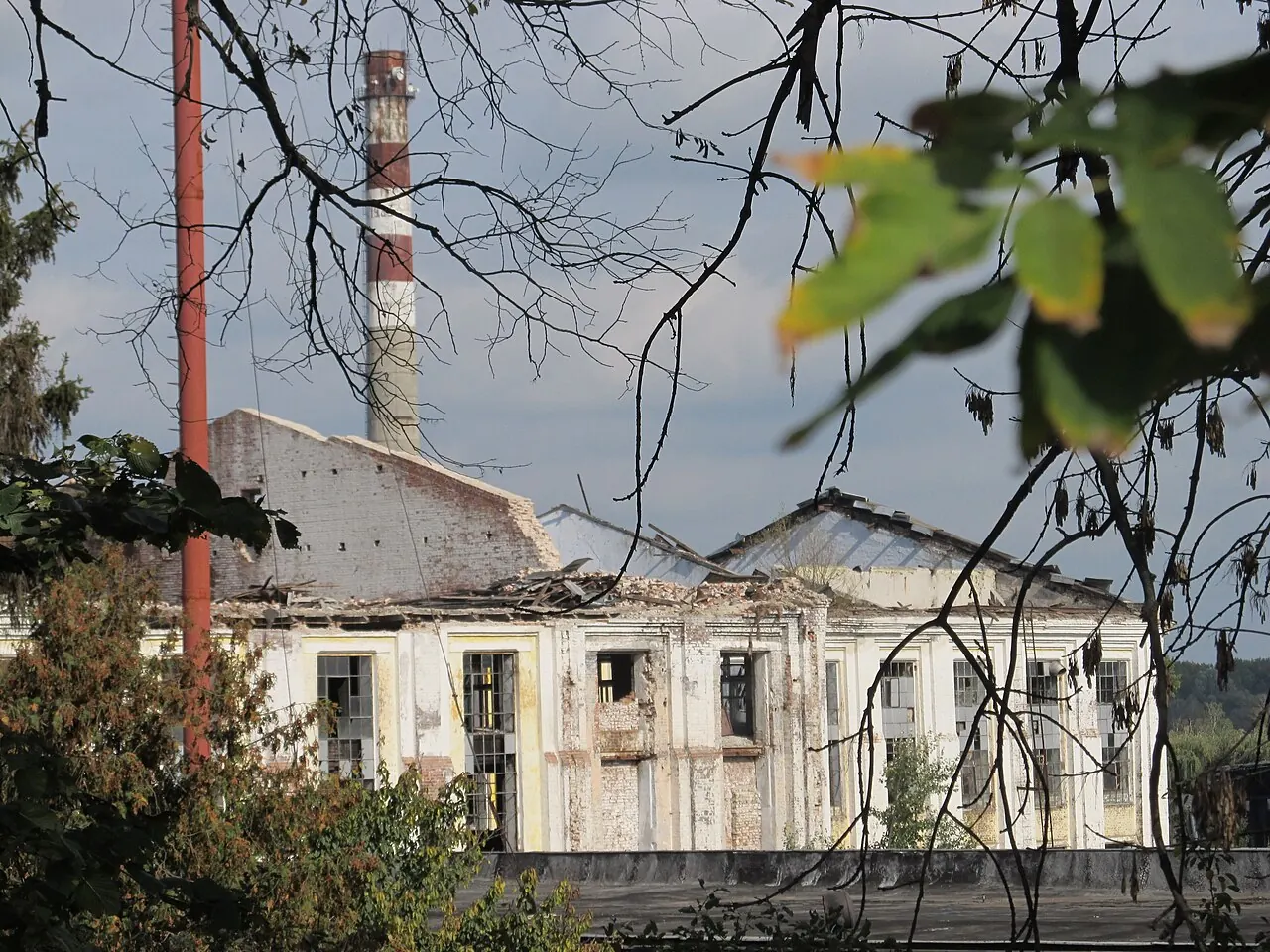
SELMI started in 1959, making electron microscopes and mass spectrometers, and in 1986 a research institute of electron microscopy was set up beside it. In the 1990s it was called Elektron, in 1994 it became Selmi JSC, and from 2001 it belonged to Russia's Electrochemical Plant. Bankruptcy dragged on from 2010, liquidation was declared in 2017 and the buildings were sold off.
Nasosenergomash makes pumps, including for nuclear power plants. Before the full-scale war its ultimate owner was a Russian citizen, and its products kept reaching Russia via intermediaries in Europe and Asia. In 2022 the plant was confiscated by the state, then handed to the asset-recovery agency ARMA and in 2024 to Energoatom's management. In July 2026 MP Yaroslav Zhelezniak said the plant had probably been used to siphon money from Energoatom through an intermediary, and anti-corruption bodies took an interest.
Only ruins remain of the Kharytonenkos' Pavlivka refinery, while the Chervonozoryanyi refinery is remembered by its workers' club at 2 Pryvokzalna Street, a listed building. The Horobyna distillery traces its history to 1897 and still operates.
Factories

From Belgian workshops for sugar mills to gas-pumping units and compressors. Over 16,000 workers in the mid-2000s.

The buildings of the Belgian Sumy Engineering Workshops, a listed architectural monument.

Fertilisers, inorganic chemicals and titanium dioxide. State-owned and insolvent; the 13 October 2026 auction fell through again.

A colonnaded palace for Sumykhimprom workers, the heart of the workers' district and a listed building.

The refinery workers' club near the station, a listed building.

A distillery working for over a century; its facade was renovated in 2021.
Factories
Symbols
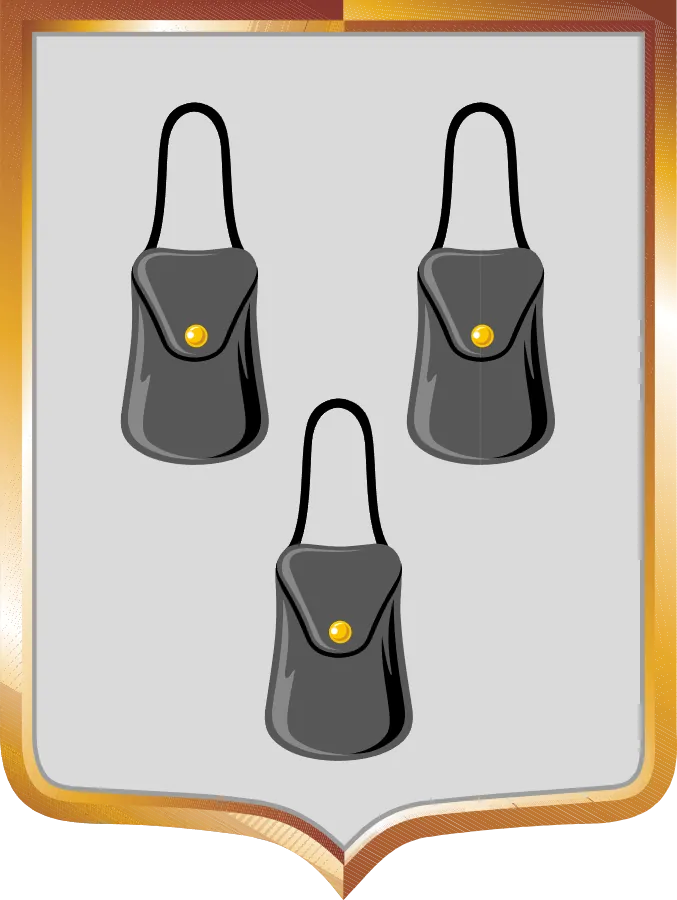
Coat of arms. A silver shield with three black hunting bags with gold buttons and straps, two above and one below. The 1776 design is credited to Mikhail Shcherbatov; it was approved on 21 September 1781 and restored by the city council on 15 February 1991. The black is read as prudence and wisdom.
The Altanka. The unofficial but best-loved symbol of the city, on postcards, fridge magnets and wedding photos.
City Day. Until 2003 it was celebrated on 26 June, after the 1655 petition, then on 2 September, the day of liberation in 1943. Since 2012 the city charter sets it on the first Saturday of September.
City symbols


Type at least 2 letters. Enter opens, Esc closes.